
Mental health awareness is the ongoing effort to help people understand mental health conditions, recognize them earlier, and feel safe asking for help. It sounds simple, but for many people it is the difference between suffering in silence for years and getting support that actually changes their life. At Zoelife Psychiatric Services, we see that difference every week — and this guide explains what mental health awareness is, how awareness campaigns work, and what to do when awareness needs to turn into care.
What Is Mental Health Awareness?
Mental health awareness means understanding that conditions like anxiety, depression, PTSD, bipolar disorder, and ADHD are real, common, and treatable health conditions — not personal failings or character flaws. National organizations such as NAMI (the National Alliance on Mental Illness) note that about one in five U.S. adults experiences mental illness in a given year, yet many wait years between their first symptoms and their first treatment. Awareness closes that gap. It teaches people the signs to watch for, replaces stigma with facts, and makes it normal — even admirable — to seek help.
Why Mental Health Awareness Matters
Stigma is still one of the biggest barriers to care. When people feel ashamed of what they are experiencing, they hide it, minimize it, and delay treatment while symptoms grow harder to manage. Mental health awareness matters because it:
- Helps people recognize symptoms in themselves and the people they love
- Normalizes conversations about mental health at home, at school, and at work
- Encourages earlier treatment, when conditions are often easier to manage
- Connects people to resources, providers, and crisis support they did not know existed
- Reminds anyone who is struggling that they are not alone and that effective help exists
What Are Mental Health Awareness Campaigns?
Mental health awareness campaigns are organized efforts — by nonprofits, schools, employers, health systems, and community groups — to spread that understanding as widely as possible. Common campaign formats include:
- Community events such as awareness walks, runs, and fundraisers that bring people together around mental health
- School programs that teach students and staff to recognize warning signs and support one another
- Workplace initiatives that train managers, reduce burnout, and publicize employee assistance resources
- Social media campaigns that share stories, facts, and resources — often under shared hashtags during awareness months
- Public education efforts like free screenings, speaker panels, and resource fairs
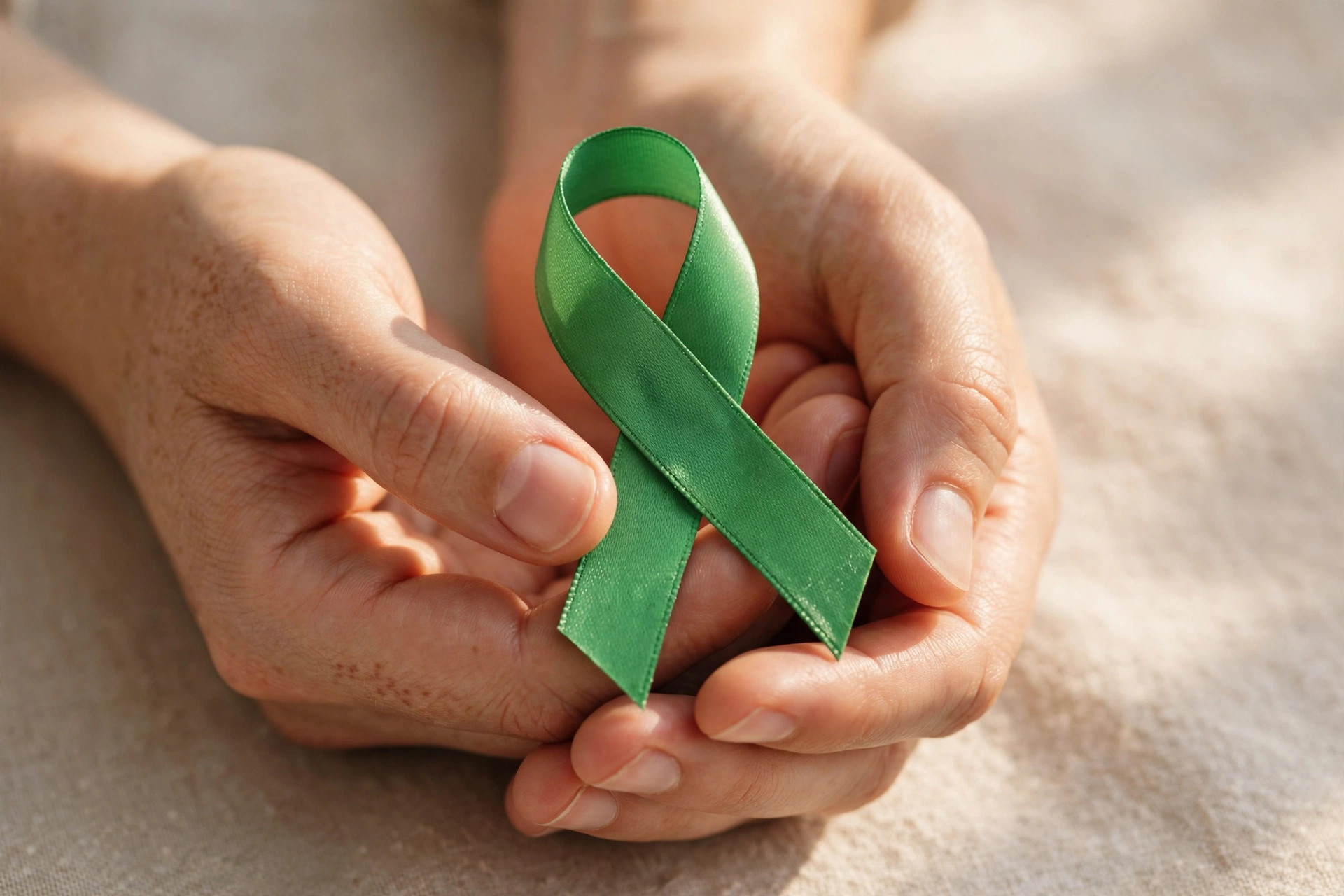
The green ribbon is the international symbol of mental health awareness, and wearing one is a small but visible way to show support.
Mental Health Awareness Month: May
In the United States, May is Mental Health Awareness Month, observed since 1949. Each year, national organizations choose themes and publish toolkits with resources for individuals, schools, workplaces, and communities. October also brings Mental Illness Awareness Week and World Mental Health Day on October 10 — but awareness is not a one-month job. The goal of the month is to start conversations that continue all year.
Ideas for Mental Health Awareness Month
- As an individual: share a resource post, check in on a friend you have not heard from, wear a green ribbon, or book the checkup — mental or physical — you have been putting off
- At school: host a speaker, run a kindness or gratitude week, or make sure students know exactly how to reach the school counselor
- At work: offer a mental health day policy, share your employee assistance program details, or bring in a lunch-and-learn on stress and sleep
- In your community: join or organize an awareness walk, host a resource table at a local event, or partner with a local practice for a free educational talk
Mental Health Awareness Topics
Awareness covers a wide range of conditions and themes. Some of the topics people ask us about most include anxiety disorders, depression, post-traumatic stress disorder (PTSD), ADHD, bipolar disorder, obsessive-compulsive disorder (OCD), eating disorders, substance use, sleep problems, and the mental health of children, teens, veterans, and new parents. Each of these is a real medical condition with real treatment options — and each has its own page in our patient education library on this site.
How to Support Mental Health Awareness
You do not need to be a clinician to make a difference. Listen without judgment when someone opens up. Learn the warning signs of a mental health crisis — withdrawal, hopelessness, dramatic mood changes, or talk of self-harm — and know that in the U.S. you can call or text 988 anytime for the Suicide and Crisis Lifeline. Share resources instead of rumors. And if you are a friend, partner, or parent supporting someone, remember that your own mental health matters too.
Raising Awareness Close to Home: Frankfort and the Chicago Area
Our practice is based in Frankfort, Illinois, and we care for patients across the Chicago area and throughout Illinois by telehealth. Local awareness matters because help feels more reachable when it is close to home. Whether it is a school counselor in Frankfort starting a conversation, a Chicago workplace sharing resources in May, or a neighbor wearing a green ribbon at a community walk — awareness grows one honest conversation at a time, and local providers like Zoelife are here when a conversation turns into a decision to get help.
When Awareness Isn’t Enough: Knowing When to Get Help
Awareness is the first step, not the last one. Consider reaching out for professional care if you or someone you love is experiencing:
- Persistent sadness, emptiness, or loss of interest most days
- Anxiety or worry that interferes with work, school, sleep, or relationships
- Panic attacks, intrusive thoughts, or trauma symptoms that will not settle
- Changes in sleep, appetite, energy, or concentration that last more than a couple of weeks
- Difficulty functioning day to day, or thoughts of harming yourself (call or text 988 right away)
Reaching out is not a sign of weakness. It is the moment awareness becomes action — and it is the bravest step in the whole process.

Take the Next Step with Zoelife Psychiatric Services
If something in this article sounds familiar, you do not have to sort it out alone. Zoelife Psychiatric Services provides compassionate, personalized psychiatric care — including psychiatric evaluations, medication management, and therapy — from our Frankfort office and by telehealth across Illinois. Our team takes the time to listen, understand what you are experiencing, and build a treatment plan around you. Visit our contact page or call our office to schedule an appointment, and take the first step today.
Frequently Asked Questions
What is mental health awareness? Mental health awareness is the effort to increase understanding of mental health conditions, reduce stigma, and help people recognize symptoms and find support and treatment earlier.
When is Mental Health Awareness Month? Mental Health Awareness Month is observed every May in the United States. Mental Illness Awareness Week and World Mental Health Day fall in October.
What are mental health awareness campaigns? They are organized efforts — walks, school and workplace programs, media campaigns, and community events — that spread accurate information about mental health and connect people with resources.
What does the green ribbon mean? The green ribbon is the international symbol of mental health awareness. Wearing one shows support for people living with mental health conditions and for reducing stigma.
How can I support mental health awareness? Listen without judgment, share trusted resources, learn the warning signs of a crisis, participate in local events, and encourage anyone who is struggling to seek professional help.
When should I see a mental health professional? If symptoms like anxiety, low mood, sleep problems, or difficulty functioning persist for more than a couple of weeks — or interfere with your daily life — it is time to book an evaluation. If you are in crisis, call or text 988.
This article is for educational purposes only and is not a substitute for professional medical advice, diagnosis, or treatment. If you are experiencing a mental health emergency, call 911 or the 988 Suicide and Crisis Lifeline.


